
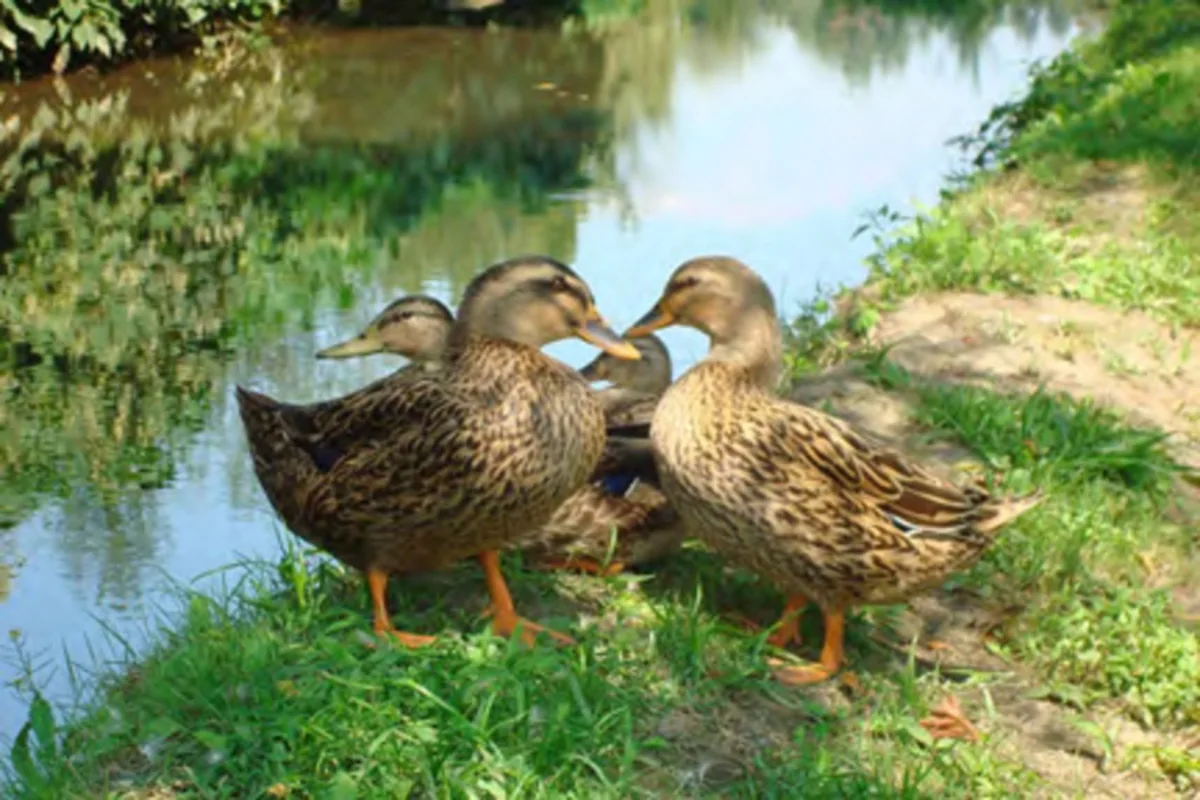
Representative photograph from the credited source, taken outside Saskatchewan. It is not a current sighting, a distribution map or a complete identification guide. This is one example from a wider bird group; other species, ages and plumages can look different.
Image credit: Brooke DiPietro · via USFWS · Public Domain · View image sourceWhat you will learn
- Build a species comparison beyond a colourful breeding male.
- Record wetland use rather than only birds overhead.
- Keep identification uncertainty visible in a mixed flock.
An original SKHunter learning guide
Build a record, not a prediction
Teaching diagram · not a map- 01Observe
Look from a lawful position without moving closer to obtain an answer.
- 02Describe
Record visible features, time, light, distance and behaviour.
- 03Keep uncertainty
Separate what you saw from what you think it might mean.
One clue starts a question. Several consistent observations build a better record; uncertainty remains a valid outcome.
Learn a whole species, not one portrait
A bright breeding male Mallard is a helpful starting image, not a complete duck identification system. Females, immature birds and nonbreeding males can look different. Study the bill, head shape, body proportions and wing pattern alongside colour in photographs of more than one plumage. When viewing brown ducks, compare visible features on each bird rather than assigning the species of the nearest obvious male. If a key feature is hidden, a record such as “unidentified duck” is more informative than a confident guess.
Observe how birds are using the water
Separate birds feeding or resting on the wetland from birds merely passing overhead. Add current water extent, visible cover and whether the view included the whole shoreline. Tipping or diving can help you organise a learning comparison, but behaviour alone is not a complete species identification. Record changes between visits without assuming that one observation predicts the next day. If birds move away because of your presence, give them space rather than treating the movement as an opportunity to obtain a better count.
Build a transparent mixed-flock note
Use separate rows for confirmed species and unidentified birds. For example, “three clear Mallard views; five brown ducks unresolved” preserves more information than eight assumed Mallards. Add the time and whether individuals were hidden among vegetation. A photograph can be reviewed later if obtained without disturbance, but enlargement cannot restore details never captured. Before a hunting outing, species identification, current federal and provincial requirements, and permission at the actual site all need their own checks; the group label Ducks does not replace any of them.
Worked example: a brown duck beside a male Mallard
You recognise the male’s features but can see only part of the neighbouring brown bird’s head and body.
Put it into practice
- Record the clearly identified Mallard separately from the unresolved duck.
- List what was visible on the brown bird rather than assuming a pair.
- Compare female, immature and nonbreeding plumages in the reference after the visit.
- Keep the observation for learning; resolve identification and the applicable rules before any hunting decision.
Turn a sighting into a useful note
A 36-second photographic motion explainer with gentle camera movement, four clear chapters and large on-screen words. Silent; optional captions and a transcript are available.
Choose a section or use the player controls. A text transcript is available below.
Read the video transcript
- 0:00
Describe what you actually saw — Record shape, markings and behaviour before assigning a species name.
- 0:09
Record the observation context — Add the date, viewpoint, light and approximate distance.
- 0:18
Keep uncertainty visible — A single track or a brief glimpse may remain unidentified.
- 0:27
Revisit without assuming — One sighting is not a population estimate or a promise for next time.
Common mistakes to avoid
Every brown duck is a female Mallard
Several species and plumages can appear brown; colour and companionship are not enough.
A flyover means the wetland was being used
Passing over and feeding or resting at a site are different observations.
A flock needs one species label
Mixed and unresolved groups can be recorded honestly in separate rows.
A brown duck is swimming beside a clearly identified male Mallard. Which conclusion follows?
- Both birds must be Mallards.
- The brown bird must be female.
- Identify the brown bird from its own visible features; association does not settle it.
Show the answer and explanation
Answer: C. Identify the brown bird from its own visible features; association does not settle it.
A nearby identified bird supplies context, not the missing features of another individual.
Current checks and official context
At a glance
- Ducks is a group, not a single field identification.
- Mapped water does not show today’s water level or bird use.
- Federal and provincial checks both matter.
Habitat clues help plan a scouting visit. They do not establish that animals are present or that hunting is permitted.
Start with a species reference
Mallards use many types of wetland and are one useful starting point for learning dabbling-duck behaviour. Other Ducks can use different conditions and can be difficult to distinguish in poor light. Use a proper identification resource to learn multiple features, and retain an uncertain observation as uncertain.
- Record the species only when the evidence supports it.
- Note the number, time, visibility and observed behaviour.
- Separate birds feeding or resting from birds flying past.
Check the water and the lawful approach
Compare mapped water with present conditions from a lawful observation point. Confirm the boundary, permission, entrance and parking for the place you intend to use, including any approach or retrieval across other land. Weather, ice and water levels can change the practical plan even when a familiar wetland remains on the map.
- Inspect current conditions before committing the party.
- Keep a checked alternative destination.
- Save observations without interpreting a past count as a prediction.
Build the complete game-bird checklist
Use the current federal Saskatchewan migratory-bird summary alongside the provincial guide. Match the species, district, season, permit requirements, daily and possession limits, hours and method conditions. Review local game-bird closures and current disease-related handling or transport advice before travel.
- Check non-toxic-shot requirements in the official source.
- Keep required permits in an acceptable usable form.
- Resolve a species-identification gap before considering a hunt.
Turn this lesson into your next outing
Review the date, species, starting template and linked day plan in an editable preparation draft. You choose what to add and save.
Prepare your own trip
Review a preparation draftContinue learning
Ducks identification workshop: Mallard, Northern Pintail and American WigeonTry a practical situation
Open related practiceOpening a draft does not create a saved checklist. A checked item records your own review, not permission or an open season.
Original sources
- Cornell Lab of Ornithology · Mallard life history
- Environment and Climate Change Canada · Saskatchewan migratory-bird summary
- Government of Saskatchewan · Current Hunters Guide and updates
- Government of Saskatchewan · Hunting permission on private land
- Cornell Lab of Ornithology · Mallard identification and plumages
Use this as a planning guide. Check current official requirements and site conditions before travelling.
Help improve this guide
Tell the editor about something on this public page that needs attention.